

Introduction:
The approaching summer means that many individuals will need to change up their exercise regimens. A summer fitness plan may be a terrific way to keep motivated and focused, whether your goal is to feel more energized, stay active throughout the warmer months, or feel more confident wearing summer clothing. I recently began working out for the summer.
Additionally, I’ve included outdoor pursuits like swimming and hiking to keep things interesting and prevent fatigue. I stay motivated and look forward to my workouts by adjusting my program according to the season.
Realistic goal-setting is essential to maintaining a summer fitness regimen. I’m more concerned with stability, vitality, and feeling good about my body than I am with drastic changes. Measuring my improvement, even if it’s in tiny ways like increased endurance or a happier mood, keeps me continuing.
An additional crucial component of the strategy is nutrition. Eating healthily and adequately fueling exercises is made simpler when fresh fruits and vegetables are in season.
We can help, regardless of whether you’re a novice joining the gym for the first time or someone who is resolved to finally maintain a fitness regimen.
You might begin exercising more frequently in addition to taking medications like Fildena xxx.
What is the summer workout plan?
This exercise regimen is seasonal and is meant to keep you motivated, active, and healthy throughout the summer. A variety of workouts catered to outdoor activities, warmer weather, and individual fitness objectives are typically included. While enjoying the longer days and nicer weather, the emphasis is frequently on preserving or enhancing general health.
A mix of aerobic, strength, and flexibility workouts forms the basis of the majority of summer fitness regimens.
While strength training may be done in the gym or with bodyweight exercises like squats and push-ups, cardio might involve running, biking, swimming, or hiking. To increase mobility and reduce the risk of injury, yoga or stretching is introduced.
The opportunity to work out outside is one of the main advantages of a summer fitness schedule. Parks, trails, and beaches are frequently used by people to make their exercises interesting and enjoyable. Exercising outside not only offers diversity but also improves mood because of the fresh air and sunlight.
This must also consider nutrition. Consuming fresh, light meals full of fruits, vegetables, and lean proteins aids in recuperation and fuels exercise. With rising temperatures and more perspiration, it’s crucial to stay hydrated.
An effective summer fitness programme is adaptable. Hot days, hectic schedules, and vacations are all accommodated. Consistency is the key; even if it’s only a fast workout at home or a quick stroll, you should be active most days.
Keeping Hydrated While Working Out in the summer
This is essential for summertime exercise. Because your body has to sweat more to stay cool, you lose fluids and electrolytes more quickly as the temperature rises.
Be certain that you are properly hydrated before beginning your workout. It is important to drink water throughout the day, not just shortly before working out. It is a good idea to consume 16–20 ounces of water or more one to 2 hours before the start of your activity.
If you’re exercising outside in the sun, try to take a drink of water every 15 to 20 minutes.
A sports drink or electrolyte mix can help replenish lost salt, potassium, and other essential minerals if your workout is prolonged or really strenuous.
Stay hydrated after working out to aid in your body’s recovery. 30 minutes after your workout, you should drink water or an electrolyte-rich beverage to help your muscles recover and avoid cramps or weariness later.
Be mindful of symptoms of dehydration, including dark urine, weariness, dizziness, and dry mouth. You should immediately stop working out, get some shade, and drink water if you have any of these symptoms.
Before, during, and after summer exercises, being properly hydrated protects your body, improves performance, and speeds up recovery. Include water in your exercise regimen regularly, particularly during hot weather.
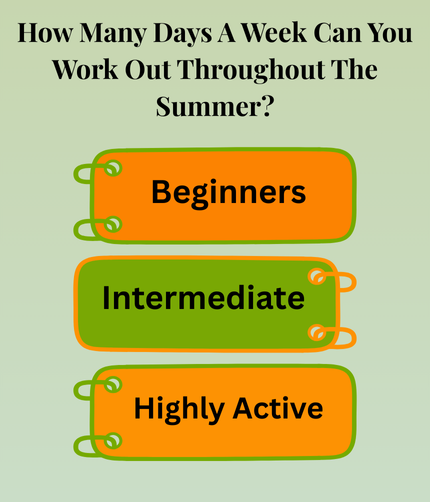
How many days a week can you work out throughout the summer?
Beginners
By doing this, you may gradually accustom your body to the program without going overboard. You can start with bodyweight workouts, mild aerobics, or enjoyable outdoor pursuits like swimming or strolling.
Intermediate
4-5 days a week is the recommended number of workout days for those with some expertise. To keep your regimen balanced and prevent monotony, you might alternate between strength training, aerobic, and flexibility exercises.
Highly Active
5-6 days a week, alternating high-intensity workouts with active recuperation days, may be the goal for advanced exercisers. Just keep in mind that to recuperate and prevent burnout, even the most dedicated athletes must relax.
It’s crucial to take rest days, particularly during hot weather. You may avoid weariness and injury by taking one or two days off each week, as the summer heat can put additional strain on your body.
All things considered, summertime exercise is a fantastic habit. Make sure your strategy suits your objectives and lifestyle, pay attention to your body, and maintain flexibility with your schedule.
Do You Prefer Working Out Indoors Or Outdoors In The Summer?
During the summer, both indoor and outdoor exercise offer advantages, and the decision between the two usually boils down to weather, goals, and personal choice. Depending on the day and my workout, I like a combination of both.
In the summer, working out outside may be revitalizing and rejuvenating. Open space, sunlight, and fresh air all have a stimulating effect. Exercises like riding, hiking, jogging, and even bodyweight circuits in the park seem more like fun than chores. Additionally, vitamin D levels and mood are enhanced by natural light.
But days that are hot and muggy can make doing out outside difficult or even dangerous. I like to work out indoors at a gym or at home at that time.
One of the main advantages of working out indoors is that you can maintain your routine rain or shine. For focusing on certain fitness objectives, there is also access to equipment such as weights, machines, and climate control.
I prefer to balance both in the end. When it’s colder, I take it outdoors in the morning or evening. When it’s hot outside or I want to perform heavy lifting, I stay inside. It keeps my summertime routine adaptable, engaging, and productive.
Which time of day gives you the greatest energy for working out?
Though everyone has different preferences, many individuals find that doing out in the morning gives them the greatest energy boost. The body is awakened, metabolism is accelerated, and a positive attitude is established for the remainder of the day by exercising early.
By finishing your training early, you can avoid any obstacles later. Additionally, it can enhance mood, energy, and attention throughout the day by releasing endorphins.
But for some, the afternoon brings increased vigor and endurance, whereas the morning brings a sense of sluggishness. Your body temperature is greater, your muscles are more flexible, and your response speed is faster between 1 and 4 p.m., which makes it a powerful window for performance.
Usually, your body is warmed up and ready to go after a full day of eating and moving. Exercise should not be done too late, though, as some people find that vigorous exercise right before bed disrupts their sleep.
Listen to the natural rhythm of your body to choose the optimal moment for you. See when you feel the most energised, focused, and powerful after experimenting with different workout times.
What Is The Average Length Of Your Summer Workouts?
In addition to time, the greatest summer exercises focus on consistency, intensity, and recuperation. The most important things are to be active and pay attention to your body, regardless of how long you spend—20 minutes or an hour.
Naturally, outdoor pursuits like swimming, riding, and hiking may continue longer, particularly if they’re more laid-back or sociable. These can last more than an hour without becoming too severe or unpleasant.
Generally speaking, shorter workouts are safer and more sustainable on extremely hot days. Some individuals divide their exercises into two shorter periods, such as strength training in the evening and a morning stroll, to avoid the warmest times of the day.
When you are pressed for time or want to beat the summer heat, exercises like bodyweight circuits, HIIT, or a brisk run can yield impressive benefits quickly.
How to Create the Greatest Summer Workout Schedule
Achieving the ideal summer training routine requires striking the correct balance between your lifestyle, the weather, and your fitness objectives. While challenging your body and keeping you motivated, a good schedule should also provide time for relaxation and enjoyment
Set Clear Goals
Determine your goals for the summer, whether they be to keep active, lose weight, gain strength, or improve endurance. Your objectives will determine the kind, level of difficulty, and frequency of your workouts.
Defining specific objectives makes your summertime exercise a planned activity rather than a haphazard one. It’s essential to success and a means of maintaining dedication throughout the season.
Describe your priorities and the amount of time and effort you are willing to devote to them honestly.
Mix It Up
Incorporate a range of exercises, such as cardio two to four times a week, strength training two to three times, and at least one flexibility or mobility session. Keeping things different keeps your mind active and your body moving. Try swimming, yoga, bodyweight circuits, jogging, or hiking.
Because it prevents overusing the same muscles repeatedly, mixing things up also lowers the chance of damage. Doing various kinds of movement makes your body stronger and more balanced.
You may keep yourself motivated and aid in your body’s recovery by alternating between milder and more intensive workouts. Maintaining your schedule requires paying attention to your energy levels and making necessary adjustments.
Plan Around
Early morning or evening are the best times of day to work out outside because they are cooler. On extremely hot days, limit your exercise to indoor sessions or lower-intensity exercises like swimming, stretching, or strolling. Always have an indoor backup plan in case of storms or extreme temperatures.
Especially during periods of extreme heat, planning also includes accounting for rest days and recuperation time. Don’t undervalue the significance of planning downtime since your body needs it to relax and heal.
By organizing your schedule around your obligations and surroundings, you position yourself for a fun and long-lasting summer exercise regimen.
Stay Flexible
With parties, trips, and last-minute preparations, summer can get hectic. Plan your timetable to be flexible. Exercises as brief as 20 to 30 minutes might be beneficial if you do them consistently.
Maintaining a flexible perspective keeps exercise fun rather than a job and helps you prevent burnout. Additionally, it lessens the likelihood of quitting completely when things don’t work out as planned.
Prioritize Recovery
Avoid skipping days of relaxation! Make time each week for at least one day of active recuperation or complete rest. With the increased stress of heat, recovery aids in muscle regeneration and helps avoid burnout.
It’s important to pay attention to your body; if you feel particularly exhausted, painful, or lethargic, it can indicate that you need more time to heal.
You can make sure your exercises are fun and productive throughout the summer by putting recuperation first. It’s the key to being resilient, injury-free, and driven.
Track and Adjust
To monitor your progress, keep a basic exercise journal or utilize a fitness app. Modify your plan if something seems too simple or too complex. If it matches your body, objectives, and lifestyle, and keeps you coming back for more, that’s the best summer fitness plan.
It’s equally critical to modify your plan in response to your progress and physical symptoms. Workouts may be made more demanding by progressively increasing their frequency, length, or intensity if they start to seem too easy.
What Drives You To Maintain Consistency Throughout The Summer?
A combination of regularity, motivation, and the desire to feel my best motivates me to be consistent during the summer. First of all, setting and achieving specific objectives helps me stay motivated. I want to maintain my strength, health, and energy levels, especially when the summer months offer more social gatherings and activities.
After working out, I feel good, which encourages me to keep going. I feel happier, less stressed, and more accomplished after working out, and these benefits linger all day.
Establishing a regimen also helps. Working exercise doesn’t seem like a hassle if it’s a regular part of my routine.
Another thing that motivates me is the excitement and diversity that summer brings; going for a run outside, swimming, hiking, or participating in sports makes working out feel more like fun than exercise.
Finally, I remain dedicated even when my desire wanes because I know that consistency results in actual development, whether it is increased strength, endurance, or just feeling good about myself.
What Kind Of Health Problems Can You Prevent With Summer Exercise?
Maintaining a strong body and mind during the summer can help prevent several health issues. Walking, running, and swimming are examples of exercises that strengthen the heart and increase blood circulation, which benefits cardiovascular health.
By enhancing insulin sensitivity and controlling blood sugar levels, summer exercise also helps prevent type 2 diabetes. Being active can help you manage your weight, which is a key component of diabetes risk management.
By strengthening your bones and muscles, exercise lowers your risk of osteoporosis and falls, and fractures as you age. Resistance training and other weight-bearing exercises, such as trekking, are particularly advantageous.
Engaging in regular physical activity helps to improve mental health by lowering anxiety and depression symptoms. In addition to increasing vitamin D levels, summertime sun exposure also affects mood and general health.
Being active also strengthens your immune system, which makes it easier for you to fend against infections and long-term ailments. Long-term health depends on improved digestion and greater sleep, both of which it facilitates. Lack of erection in the penis, which requires Vidalista 40 mg.
Are You On A Summer Workout Regimen Right Now?
Although I am now unable to work out physically, I keep myself completely occupied by assisting others in developing successful summer exercise regimens. Creating programs that suit people’s objectives and lifestyles keeps me inspired and active in the fitness industry.
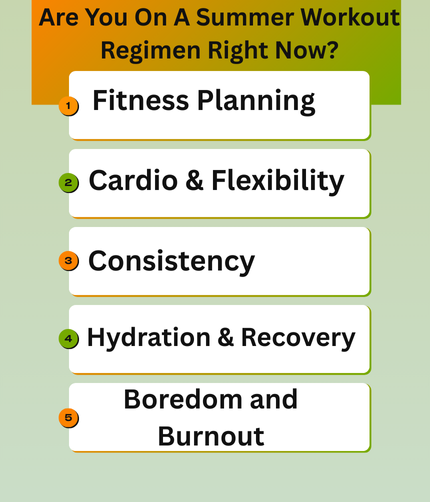
Fitness Planning
Fitness planning is the process of developing a methodical strategy to achieve your fitness and health objectives. It helps you keep focused and organised by defining the kinds of exercises you will perform, how frequently you will do them, and how long you will do them. When you don’t have a strategy, it’s simple to lose motivation or get into an exercise rut.
A variety of exercise forms, including strength training, cardio, and flexibility training, are balanced in this. This diversity guarantees that you avoid overstretching any one muscle area and that you increase your overall fitness.
This is an essential component of fitness planning. Define success to keep yourself motivated, whether your goal is to increase your muscular mass, endurance, or level of activity.
Cardio & Flexibility
Cardiovascular exercise, or cardio, raises your heart rate for a prolonged amount of time with the goal of strengthening your heart and lungs.
Your joints and muscles’ range of motion may be maintained and enhanced with the aid of flexibility activities like yoga and stretching. In addition to relieving muscular stress and improving posture and balance, these activities lower the chance of injury.
An exercise regimen that includes both aerobic and flexibility exercises is well-rounded.
Consistency
For any fitness journey to be successful, consistency is essential. It entails keeping to your exercise schedule and attending on a regular basis, even when life becomes hectic or motivation wanes. Reaching your goals and seeing noticeable gains are challenging without consistency.
By forming a routine, working exercise becomes a habit, which promotes consistency. It seems less like a chore and more like a lifestyle when working out becomes a part of your everyday routine. Results are long-lasting because of this consistent work throughout time.
Your body may progressively adjust and get stronger with consistency, which lowers your chance of being hurt. Frequent, albeit brief, workouts are more beneficial than sporadic, high-intensity ones.
Hydration & Recovery
Maintaining proper bodily function requires drinking enough water, particularly during the sweltering summer months and when exercising. Maintaining enough hydration promotes muscular function, helps control body temperature, and guards against cramps and weariness.
Drinking enough water before, during, and after exercise is essential for both safety and optimal performance.
Recovery is the period following exercise that your body needs to restore and heal. It covers stretching, healthy eating, rest days, and enough sleep. Muscle pain may be lessened, injuries can be avoided, and overall fitness gains can be enhanced with proper recuperation.
Hydration and recuperation go hand in hand to maintain your body’s vitality and well-being. Burnout, inferior performance, or injury might result from neglecting either.
Boredom and Burnout
During extended training regimens, such as a summer regimen, boredom and burnout are prevalent problems in any fitness practice. When exercises seem monotonous or repeated, boredom sets in, making it more difficult to maintain motivation.
Burnout is the result of pushing yourself too hard without getting enough sleep, which can cause exhaustion, annoyance, and occasionally even damage.
Exercise should be varied to prevent monotony; try new things, adjust your level of effort, or switch up your training setting. This makes it easy to stay interested by keeping things interesting and novel.
In order to avoid burnout, rigorous exercise must be balanced with rest and recuperation. Maintaining a healthy mindset and high energy levels may be achieved by taking breaks, listening to your body, and avoiding overtraining.
Do You Schedule Relaxation Days into Your Schedule?
It’s crucial to have rest days in your exercise regimen! Frequent relaxation days or rest aid in the body’s healing process, lower the chance of injury, and avoid burnout. After working out these days, give your muscles time to recover and get stronger.
Gentle yoga, stretching, or even simply going for a stroll may be part of relaxation days. Additionally, they help you focus and remain inspired for your next workout by giving your mind a vacation.
It might be difficult to maintain a programme when there are no rest days because it’s simple to become exhausted or lose motivation. Therefore, I do advise including leisure days in your calendar because they are an essential component of a well-rounded and long-lasting exercise regimen.
How to Make the Most of Your Summertime Body Exercise Programs
The first step in maximising your summertime fitness regimen is to establish specific, attainable objectives. Knowing what you want helps you focus your efforts and monitor your progress, whether that goal is to increase endurance, reduce weight, or develop muscle.
Make a well-rounded programme that includes cardio, weight training, and flexibility exercises after that. This combination tackles many aspects of fitness for improved overall outcomes and keeps your exercises engaging.
Always pay attention to your body and modify the intensity if you experience fatigue or heat.
Finally, give healing and rest top priority. Preventing burnout and preserving long-term fitness depend on recovery.
Essentials of a Summer Workout
Staying hydrated is the first step to a strong summer exercise. Before, during, and after exercise, drinking lots of water keeps your body cool and gives you more energy. In hot weather, staying hydrated is essential since dehydration can result in weariness, lightheadedness, and even heat-related disorders.
The next crucial factor is scheduling your workouts. Avoiding the warmest periods of the day is best done in the early morning or late at night. Cooler temperatures make exercises more enjoyable and safe while also reducing the risk of overheating.
Another necessity is dressing appropriately. Breathable, moisture-wicking, and lightweight textiles help cool your skin and keep perspiration at bay. Remember to use a helmet and sunscreen when exercising outside to shield your skin from damaging UV radiation.
Stop and rest if you have nausea, lightheadedness, or extreme fatigue. Use your feelings as a guide to modify the length or intensity.
Lastly, putting recuperation first by taking time off and eating well aids in muscle regeneration and energy replenishment. Exercise in the summer might be difficult because of the heat, but allowing your body to recuperate can keep you strong and injury-free.
What Keeps You Steady During the Summer?
I stay stable during this by combining a flexible schedule, well-defined goals, and maintaining motivation through minor victories. Even when the heat or hectic days try to divert me, having clear exercise goals keeps me on course.
I also make my calendar flexible, so instead of skipping workouts when the weather gets too hot or my plans change, I vary things up. This adaptability keeps me constant and avoids frustration.
Prioritising relaxation and maintaining proper hydration are also important. Physical well-being makes it simpler for me to persevere and overcome obstacles.
Whether it is feeling stronger, healthier, or more energised, reminding myself of why I started helps me stay motivated. Honouring my accomplishments, no matter how minor, keeps me motivated throughout the summer.
Last Words:
You may have a safe and effective summer workout and fitness adventure if you plan, pay attention to your body, and put your health first at every stage.
We have also discussed the several advantages of engaging in regular exercise.
It is best to see a doctor if you have any health concerns, and choose the appropriate medications from Medypharmacy.
FAQs
1. Are you currently on a summer workout plan?
If not, consider crafting a simple 8–12 week plan focused on consistency, progressive overload, and enjoyable activities to stay motivated all season.
2. What should a basic summer workout plan include?
A mix of cardio, strength training, mobility work, and enough rest days. Aim for 3–5 workouts per week, with 2–3 cardio sessions and 2–3 strength sessions.
3. How often should I train in the heat?
Schedule workouts for cooler parts of the day (morning/evening) and stay hydrated. If heat is extreme, opt for indoor or shade options and shorter sessions.
4. What’s a good summer cardio plan?
Mix intervals (e.g., 1:1 work/rest) with steady-state options like brisk walks, cycling, or swimming. 150–300 minutes per week is a common target, depending on fitness.
5. How can I progress safely in the heat?
Increase volume gradually (no more than 10–20% per week), monitor heart rate, and prioritize sleep and hydration. Listen to your body for signs of overheating.