Erectile dysfunction (ED) is one of those topics that no man can discuss but is present in millions of men worldwide. The problem is, ED isn’t so much about sex; it’s about health, self-esteem and general quality of life. Yes, initially it can be a little daunting, but discovering what its diagnosis and treatment is all about may not be so daunting.
Understanding Step One: Diagnosis
When men get Erectile Dysfunction, they simply go for the treatment unaware of how crucial it is to have a diagnosis. When you see your doctor for Erectile Dysfunction, he is likely to begin with talking about your history, lifestyle, and medication you are already on. Depending on all this, there could be a physical examination to check blood pressure, hormone levels, and signs of other diseases such as diabetes and heart disease. Your physicians might employ the utilization of blood work, urinalysis and/or ultrasound to better understand your condition.
Why Diagnosis Matters?
Discovering the reason behind it is important because Erectile Dysfunction is not always a performance problem—it can be an indication of something else. Conditions such as inadequate blood flow, low testosterone, or nervousness and stress are among the potential causes. This is how doctors can prescribe the optimal treatment rather than seeking the solution in all instances..
Investigating Treatment Options
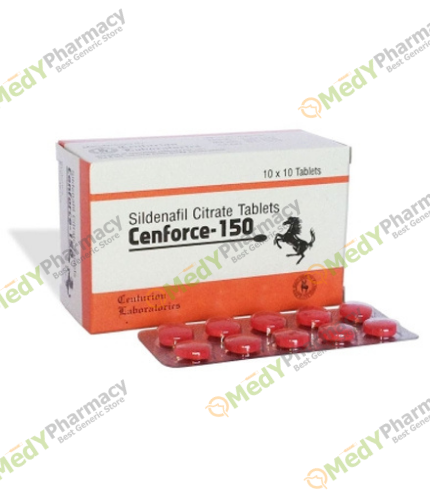
ED treatments differ, thankfully, for men looking for help. Oral therapy such as sildenafil is popular, yet others are available. Vacuum erection devices, injections of the penis, hormone therapy, and even surgical implants are, in some cases, prescribed based on circumstances. Lifestyle modifications such as exercise, quitting smoking, and improving diets are quite commonly suggested in addition to drugs to gain maximum effect.
The Role of Counseling
For some men, the psychological burden of Erectile Dysfunction is equal to its somatic aspect. Anxiety about performance, depression, and interpersonal tension may be the causes behind ED symptoms. Therapy or counseling may be a solace to address such issues and enhance the efficacy of medical therapies.
Empowering Yourself and Your Health
ED doesn’t need to run your life. With accurate diagnosis and a treatment regimen ordered by a physician, most men can regain not just their sex life, but also confidence and peace of mind. If you’re willing to do something about it, go to Medypharmacy for information and resources for your recovery.
FAQs
1. How are ED diagnosed by doctors?
Diagnosis typically consists of physical exam, history, and, when needed, blood or urine laboratory testing to exclude underlying etiology.
2. Is a pill the only treatment for ED?
No. Anything from oral therapy to devices, hormone therapy, lifestyle modification, and even surgery can be considered.
3. Can stress alone lead to ED?
Yes, stress and anxiety are the main reasons. In such cases, therapy and relaxation methods can prove very useful.
4. Is ED permanent?
No. Transient ED is a frequent phenomenon in all men as a result of stress, tiredness, or side effects of certain medications, and improves with proper treatment.
5. Does lifestyle modification enhance erection?
Absolutely. Exercise, balanced diet, avoiding smoking, alcohol, stress, and chronic illnesses such as diabetes could go a long way in enhancing the erectile functionality and other sexual health parameters.