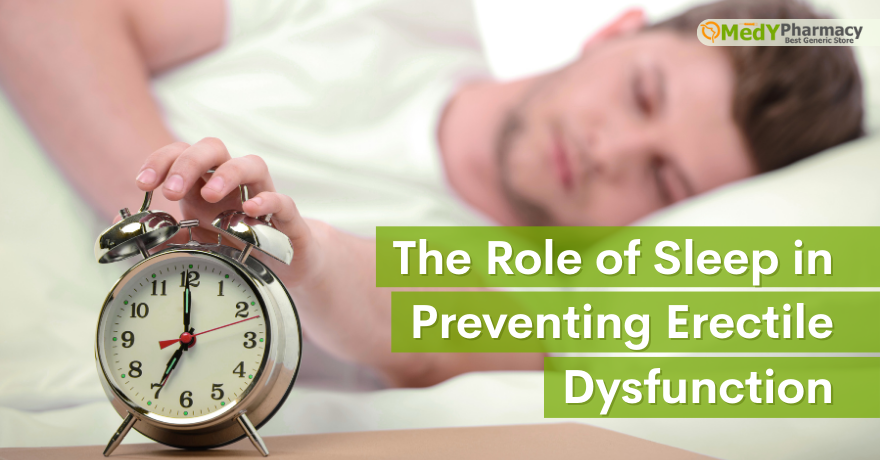

Sleep is something we all desire, but don’t always obtain. Many people view sleep as “rest,” however, sleep is a hidden engine of health for our bodies, our brains, and even our relationships. However, sleep can have a negative impact on sexual health – primarily by increasing the risk of erectile dysfunction (ED). Unfortunately, those late-night scrolling sessions on your phone or buffering out to binge-watch on Netflix could likely affect you in ways far beyond your ability to engage.
Get Some Sleep – Why Sleeprospects are essential for Men’s Health
Sleep is not just an extended period of time to close your eyes. Sleep is a period when all the hormones in your body can be restored, your cells can be repaired, and your energy can be reset. Hormones like testosterone, which is essential in order to have proper sexual function, have an obvious connection with sleep. In fact, decreased quality of sleep, or decreased sleep overall, = a decreased level of testosterone, and an increased risk of ED. In short, no quality sleep means no quality performance.
The Association of Stress, Sleep, and ED
Consider the last time you were extremely stressed, and your sleep was not the best. It probably didn’t feel great – your body and your brain, out of synch. Stress often keeps our brains alert, and when poor sleep is thrown into the mix, the brain is firing on all cylinders. Over time, this can lead to ED. Doctors frequently remind their patients that mental health, sleeping, and sexual health are all closely associated – enhancing one can often improve the others.
Ways to Sleep Better for Your Sexual Health
- Keep to a consistent sleep schedule
- Make your bedroom a comfortable place to relax..
- Limit caffeine and alcohol in the evening.
- Try to do some form of meditation before sleeping.
Even small changes to your lifestyle can improve sleep quality, most importantly strategy to decrease the potential ED risk. If you want professional advice and more clinical direction, reference a reputable source like medypharmacy.com for careful plans and updates.
Why Physicians Recommend Sleep as a Prophylactic to the ED?
Medical professionals continue to take the lead in recognizing sleep disorders as potential precursors for ED. Sleep apnea, insomnia or restless nights all can hinder blood flow and affect hormones, the two major elements that impact sexual health. Addressing sleep first, many men have noticed progress (if not improvements) in not just sexual performance, but energy, enthusiasm, and mood as well.
There are medications and treatments for ED, but often the best medicine is to prevent a scenario where one might need it. Sleep is probably one of the most undervalued elements of health, yet it is one of the easiest and most natural ways you can support your sexual and intimate health. Prioritizing rest and sleep isn’t just about feeling fresh to take on the day when your feet hit the ground – it’s also about protecting your physical health and your mental health.
FAQs
1. Does lack of sleep alone cause erectile dysfunction?
Not necessarily, although chronic lack of sleep can lower testosterone and change the flow of blood, which are both contributors to ED.
2. How many hours of sleep should men get to decrease their chances of ED?
Most authorities seem to recommend 7-9 good hours of sleep per night.
3. If I fix my sleep patterns, will I immediately notice improvement in my erectile dysfunction?
Not necessarily immediately, but establishing a better nighttime sleep routine can help with your sexual health over time.
4. Will the presence of a sleep disorder cause erectile dysfunction to be worse?
Yes, untreated sleep apnea has strong ties to erectile dysfunction from the lower amount of oxygenation (because of sleep apnea), and this also plays a part in hormone balance.
5. Can improving sleep habits help reverse ED?
Enhancing sleeping patterns could, therefore, lead to improvements in hormonal levels, energy, and the health of blood vessels, which may result in a better sexual response.