
Introduction:
Are you more fatigued and lethargic than usual lately? Have you been suffering muscle discomfort or spasms lately? Then you’re probably deficient in vitamin D. According to scientists, vitamin D insufficiency can cause rickets in youngsters, resulting in improper bone and muscle growth, while adults may have general weakness.
According to additional research, even Vitamin insufficiency may increase the chance of developing sexual disorders such as erectile dysfunction in males, for which you must continue to take medications Examples include Sildenafil citrate and Fildena 50 mg.
The fact that you spend so much time indoors is the primary cause of your low vitamin levels. Remember that getting more sun exposure is the only way you can synthesize it. But first, we’ll look at why this is so crucial for your body, who may be deficient, and what might happen if you are. Of course, as stated at the end of this post, we’ll also help you figure out how to deal with such issues.
What is Vitamin D?
Which is a fat-soluble vitamin that improves calcium absorption while also stimulating bone growth and mineralization. It also has a role in the immunological, digestive, circulatory, and neurological systems.
New research reveals that vitamins may help prevent several ailments, including depression, diabetes, cancer, and heart disease. However, the association between vitamin D and these disorders is still not well known.
Staying at home with a Vitamin D deficiency
So, why is self-isolation likely to cause a vitamin shortage in your body? It’s quite straightforward. You spend nearly all of your time at home and rarely out during the day. While this is a requirement, it also prevents you from getting enough sunshine. The majority of the requirements are generated in our skin when exposed to sunlight.
Sunlight is the primary source of Vitamin. This particular nutrient is critical for the health of our bones and teeth.
Without Vitamin D
- Calcium alone will not build your bones.
- The rebuilding of bone cells will slow.
- Your bone density will diminish.
- You will be more likely to develop osteoporosis.
- The likelihood of developing fractures will increase.
- You may suffer from joint pain and inflammation.
Why is vitamin D so vital for your health?
As you can see, our bodies manufacture Vitamin when we are exposed to sunlight. It is a key hormone in our bodies that aids in the absorption of essential minerals like calcium, magnesium, and phosphate.
It also acts as an immune system regulator, which results in anti-inflammatory qualities in the body.
Who can have vitamin D deficiency?
Babies can acquire vitamin D insufficiency, and doctors will typically give them supplements to help them treat the disease gradually over time.
Infants and young children are more likely to get rickets. Adults with Vitamin insufficiency typically have a liver or renal problem.
What is vitamin D, and why is it so important?
Which is a steroid hormone that is activated endogenously by UV light from the sun or food and dietary supplements. Our bodies require vitamin D to absorb calcium and build and maintain bone health. This is also required for many other bodily functions.
Vitamin D Supplements and Mental Health
Most people in our country have insufficient amounts of Vitamin D; the normal range is above 30. Even before the pandemic, we had seen cases where people’s insufficiency varied between 20 and 30, but it has now dropped to fewer than 20. This also applies to people suffering from depression or other mental illnesses.
We’ve encountered acute vitamin deficiency among such people. Interestingly, research has shown that vitamin D may play an important role in mood control and depression prevention. In one study, experts discovered that persons with depression who took vitamin supplements saw an improvement in their symptoms.
Solution to heal vitamin D insufficiency
Doctors recommend exposing your body to as much sunshine as possible during the day. We recommend staying for a pleasant sunbathing at the beach and hanging out with your pals on a nice day adventure.
Alternatively, women who wear veils may suffer from Vitamin D deficiency since just a small portion of their body is exposed to the sun.
We recommend setting out at least a week to expose yourself to as much sunlight as possible at home.
But what about people who are cramped indoors and do not get out much? How can you treat Vitamin insufficiency in them?
Let’s find out. But, before we begin, here is a simple concept for you. You see, the greatest approach to maintaining normal levels in your body is to consume vitamin D-rich foods.
As you can see, your diet plays a crucial role in keeping you healthy and preventing deficiencies. So, which foods can you include in your diet to treat Vitamin D deficiency?
The Causes of Vitamin D Deficiency in Children
Most vulnerable age groups
Newborns are vulnerable to vitamin D insufficiency due to limited sun exposure and reliance on breast milk or formula, whereas toddlers, young children, and teenagers can develop this deficiency as a result of a poor diet, insufficient sunlight, or an underlying medical condition such as diabetes.
Regional variations
Other influences can be geographical, such as locations with harsh winters and limited sunlight. Kids who do not go outside to play will receive little sun exposure. Furthermore, children who are finicky eaters or have bad eating habits are at a high risk of acquiring Vitamin D insufficiency.
Dietary habits
If a youngster does not consume vitamin D-rich foods, they may develop vitamin deficits. Likely, children who do not consume fatty fish, fortified dairy products, or egg yolks will not receive the recommended amount of this vitamin from their diet.
Medical conditions
Several medical issues in children can impair the body’s ability to absorb vitamin D. Some examples of these ailments are obesity, kidney disease, and gastrointestinal diseases. If you’re wondering what causes vitamin D insufficiency, go to your pediatrician.
Symptoms among children
Let’s take a look at some important vitamin insufficiency signs to help you identify potential hazards early.
- Bone or joint pain
- Muscle aches and weight loss
- Delayed physical growth
- Frequent illness
- Tooth deterioration and dental complications
- Mood swings and irritation
- Sleep problems
Taking care of your diet to consume foods high in Vitamin D
In this post, we will learn about the foods that have the most Vitamin. Of course, the best thing we can offer to all of our readers is to consult with a doctor or a dietitian to determine the finest eating options.
Here are some food things to consider if you are cramped indoors and have a Vitamin D deficiency.
Salmon
Salmon fish is first on our list of food things that you can take. Most of you may be aware that it contains Omega-3 fatty acids.
However, few people are aware that, in addition to omega-3 fatty acids, salmon is an excellent source of vitamin.
According to physicians, a typical salmon fish consumption per day can provide at least half of your daily Vitamin D needs. Of course, using fish, you can create some of your own unique and wonderful recipes.
Egg yolks
The second ingredient on our list is egg yolks. Egg yolks are an excellent food for raising vitamin D levels in your body.
You may grumble that egg yolks contain too much unhealthy cholesterol, but they also contain plenty of minerals. This includes micronutrients like zinc, selenium, and plenty of Vitamin D. One egg yolk meets 10% of your daily vitamin D intake.
Mushrooms
Do not rush to the market to acquire mushrooms. Not every mushroom you see is high in vitamins. Farm-grown mushrooms harvested indoors contain relatively little Vitamin D. Remember that vitamin-rich foods have a tag or label on them.
Sardines
Sardines are a cheap fish choice. Sardines are a fantastic source of protein. Apart from that, they are high in omega-3 fatty acids, calcium, and vitamin. If you eat two whole sardines each day, you will meet about 20% of your vitamin requirements.
Supplements
The other option is to see a doctor or nutritionist and get a Vitamin supplement. We propose going to the doctor and taking a vitamin supplement.
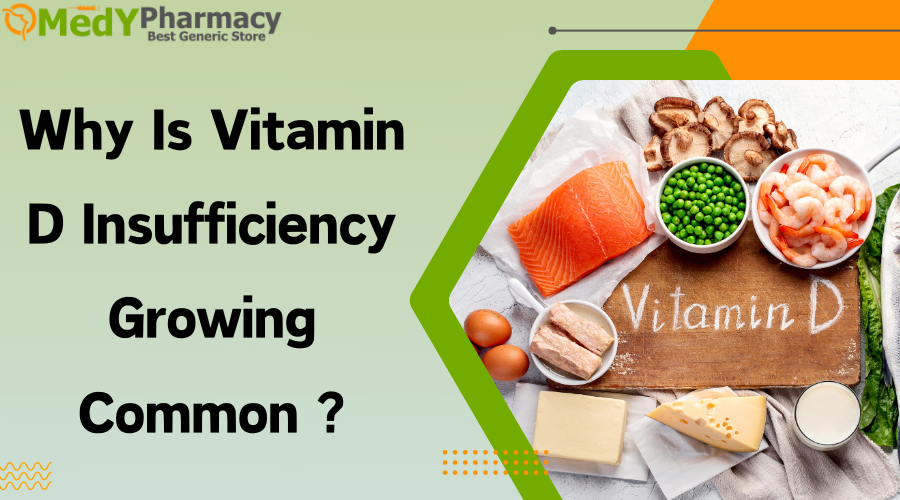
Vitamin D-rich foods
- Fish
- Cord-liver oil
- Egg yolk
- Shrimp
- Milk
- Breakfast cereal
- Yogurt
- Orange juice
Aside from appreciating food sources, people, particularly women and the elderly, should be screened for vitamin D deficiency regularly using a pathological blood test and a bone density test. This has major implications for overall health and well-being.
There are several risk factors involved
Being pent up inside and conducting limited outdoor activity.
- Seasonal changes
- Dietary limitations, such as avoiding dairy products or fish consumption
- Skin pigmentation.
- Polluted air
Long-term impact
- Rickets and changed bone structure
- Impaired immune system
- Autoimmune infections
- Osteoporosis
Effect on Bone and Muscle Health
Without enough vitamin D, the body’s ability to absorb calcium is diminished, resulting in softer and weaker bones. This can result in disorders such as rickets, in which bones fracture and develop abnormalities. This also leads to muscular weakness, which makes exercise and physical activity more difficult.
Weakened muscles and weak bones may impair a child’s mobility and overall well-being, making them more susceptible to fractures. That is why it is critical to understand vitamin D insufficiency statistics.
Impaired Immunity
A lack of vitamin D can damage a child’s developing immune system and increase their susceptibility to autoimmune diseases, respiratory ailments, and other health problems.
This is a vital regulator for detecting hazardous chemicals that enter the body. A child is more prone to become infected if his or her immune system is weakened.
Last Words:
So, if you’re cramped indoors, the logical solution is to acquire as much natural light as possible. Alternatively, if it is not possible for you, you must consume some of the foods listed above.
Remember that if you ignore this, you may get sexual illnesses such as ED, for which you may need to use Vidalista 20.
If you feel you’re deficient in this crucial nutrient, see a doctor to get your levels evaluated.
Medypharmacy provides further vitamin D information and studies.
FAQs
1. What do you think explains the rise of Vitamin D insufficiency?
Vitamin D insufficiency has increased because of the reduced ability to obtain vitamin D from the sun due to modifications in lifestyle, the increased use of sunblock, and the assimilation of vitamin D from food sources as part of one’s dietary regimen.
2. Who is most likely to develop a vitamin D deficiency?
Those who experience less sunshine, possess darker skin, are elderly, are afflicted with certain illnesses, and reside in areas with high latitudes.
3. What health risks are associated with a deficiency in vitamin D?
Insufficient vitamin D is associated with increased susceptibility to infectious diseases and weakened bones, which may lead to osteoporosis and rickets, as well as a growing list of chronic diseases, including heart disease.
4. Do vitamin D supplements effectively address deficiency?
If taken under medical supervision, supplements may help a deficiency and the health risks correlated with it.
5. What impact does the use of sunblock have on the body and the individual in terms of vitamin D deficiency?
The use of sunblock blocks the harmful rays that help create vitamin D in your body, and that in term can lead you to have a deficiency in the vitamin D that your body needs.