
Introduction:
Minor muscle spasms might occur due to health issues such as nutritional shortages. However, extreme twitching may indicate a major health problem, such as one affecting the nervous system. Men suffer from erectile dysfunction (ED), which is caused by many emotional and physical situations as well as hormonal changes. Muscle spasms can result from musculoskeletal disorders. So, if you use ED medications such as Cenforce 120 or are experiencing any problems, see your doctor.
What is a Muscle Spasm?
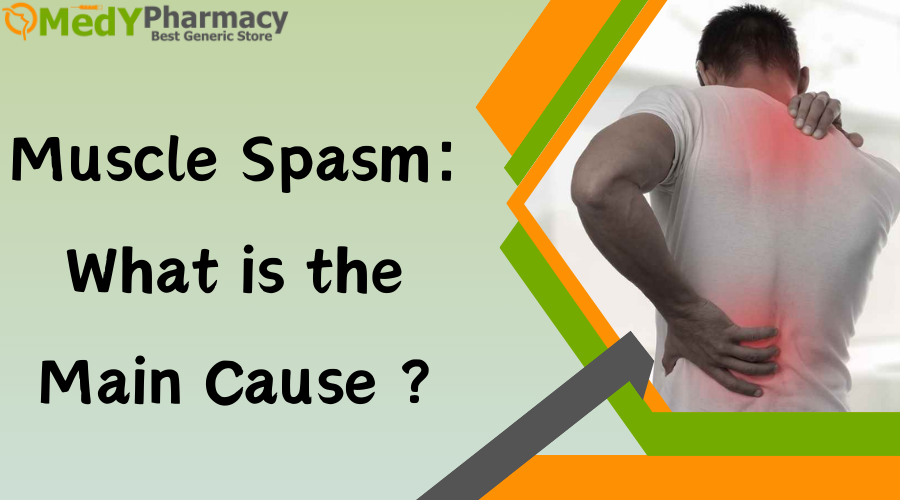
A muscle spasm occurs when one or more muscles contract abruptly. A muscle cramp, often known as a charley horse, is an involuntary and powerful contraction. It is primarily felt in the calves, thighs, hands, arms, and feet.
It can also appear around your rib cage or in your abdomen. They are typically harmless. However, it may momentarily prohibit you from using the affected muscles. Men with ED or male impotence may have muscle spasms. Can affect a single muscle or numerous muscles in the same group.
Agony from muscular spasms can range from burning to intense stabbing, tightness, numbness, or severe agony. While some muscle spasms do not interfere with daily activities, others can be debilitating and linger for days or weeks. They utilize medications like Fildena 120 to get rid of it.
- Back Spasm
- Arm Spasms
- Leg Cramps
- Charley Horses
- Neck Spasms
- Chest Cramps
- Abdomen Cramps
- Ribcage Spasms
Who Has Muscle Spasms?
Anyone can experience muscle spasms at any time. They can occur while you are walking, sitting, exercising, or sleeping. Some people are prone to muscle spasms, which occur frequently during physical activity.
- Athletes
- Infants
- Pregnant individuals
- Persons over the age of 65
- Individuals who are obese
Are Muscle Spasms A Dangerous Condition?
Muscle spasms are usually not cause for alarm. Muscle cramps, on the other hand, might sometimes be an indicator of an underlying neurological disease. These disorders have an impact on your brain, which is responsible for coordinating muscular movement. Dystonia refers to involuntary muscle movements caused by a neurological disease.
If you have chronic muscular cramps combined with other symptoms such as discomfort, muscle weakness, or poor coordination, see a doctor. They can help you decide if you have a neurological condition.
What Does Muscle Spasm Feel Like?
Muscle spasms cause moderate discomfort, stiffness, or sudden, acute, and tight pain. Such pain may prevent the muscle from functioning normally. During a spasm, muscle contraction may cause apparent knots or twitching of the afflicted muscle. When you touch the muscle, you may notice that it feels hard.
Spasms can take some time to diminish because they are involuntary. They may feel sensitive and sore afterward. If you use Tadalista 5 to treat erectile dysfunction, you may get muscle spasms or cramps as a result of injury or strain.
What Are The Causes Of Muscle Spasms?
They can arise from a variety of causes. Muscular stress, nutrient shortage, muscle overuse, increased blood flow demand, and a variety of other underlying medical disorders are all possibilities. One such medical problem is erectile function in men. Many men get muscle spasms as a result of their ED. As a result, they are observed using ED medicines like Tadarise 60 to treat and alleviate their symptoms.
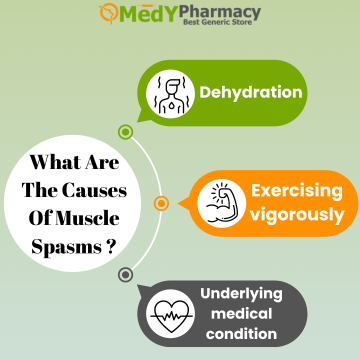
Dehydration:
Electrolyte imbalances and dehydration can prevent muscle cells from receiving enough nourishment. It makes them extremely prone to unpredictable and spastic contractions. Working in hot conditions can lead to dehydration and muscle cramps.
Exercising vigorously
Muscle spasms occur when you exercise without extending your muscles or hold a position for an extended period due to overuse or muscular stress. Strenuous exertion, for instance, can cause muscle strain. It may increase the demand for blood flow to the muscles. Muscle spasms occur when your body fails to meet the demands of the muscle cells.
Underlying medical condition
Muscle spasms, while mostly harmless, may be associated with an underlying medical disease. Arteriosclerosis is one such example. It is a condition that causes arterial constriction. The flow of blood to the legs and arms may be impaired in a person suffering from this illness. It causes nutrition and oxygen depletion. As a result, muscular cramps occur.
Another cause of muscular spasms could be nerve compression in the lumbar spinal cord. The spinal cord is in its most basic position. Walking lengthy distances exacerbates leg cramps. Some neurodegenerative disorders, such as amyotrophic lateral sclerosis and multiple sclerosis, are associated with muscular spasms.
Muscle cramps become more common as you become older, pregnant, or gain weight. However, the actual reason for a muscle spasm is not always known. You may have both erectile dysfunction and muscle spasms. Using an ED medication, such as Vigora 50, will improve your ED and allow you to have a more fulfilling sexual experience.
Preventing Muscular Spasms
The efficiency of muscle spasm prevention methods is debatable.
- Staying hydrated
- Doing gentle stretching before and after exercise
- Eating a nutritious diet
A tiny study on runners found that using kinesis tape or compression stockings could help prevent muscle spasms in your legs.
Keep track of when you get muscular spasms to discover if they are caused by a certain activity. Changing that activity could help prevent future spasms.
- Do you ever have back spasms after reading in bed?
- Do your legs cramp after spending a long time sitting or standing?
- Do tight shoes or high heels cause toe cramps?
- What sleeping posture have you been in?
5 Natural Remedies for Muscle Spasms
If you’ve been experiencing back muscular spasms, you can get relief with these natural solutions.
Gently stretch and massage the affected area
Massage the affected area gently with a massage ball or foam roller until the spasm has passed. When the muscle spasm has passed, stretch the affected area.
Ice and Heat Therapy
Applying an ice pack to the affected area for 10 to 15 minutes every 24 to 72 hours will help alleviate the pain and inflammation caused by an acute muscle spasm.
After the first 72 hours, using a damp heat pack on the affected area for up to 20 minutes will help relieve muscle spasm discomfort and boost blood flow to the area, promoting healing.
Some patients find that alternating the two medications produces the best outcomes. Learn more about ice vs. heat for back pain here.
Enhance and Activate Weak Back Muscles
As previously stated, spasms may occur as a result of underlying weakness in some back muscles. You should do corrective workouts to develop these muscles. The Core/Abs and middle/lower Trapezius muscles are some of the weakest.
Use Back Support to Limit Back Stress
When lying in bed, you may discover that the most comfortable position is on your back with cushions under your knees and a rolled towel or small pillow in the small of your back. In addition, to maintain proper posture while sitting on a chair, utilize a back support cushion. This supports your back’s natural curvature and relieves pain in the lower back by providing extra support to the area.
Bathe with Epsom salts
Epsom salt is naturally high in magnesium, and soaking in a warm bath encourages the magnesium to penetrate your skin. Epsom salt baths relax muscles, cleanse the body, and may even help prevent magnesium deficiency.
What are the signs of muscle spasms?
Muscle spasms can be moderate to severe. In mild cases, it may feel as if your muscle is leaping around by itself. You may even notice your muscles twitching. In severe cases, it may feel as if your entire muscle tightens into a ball. If a cramp is especially unpleasant, you may experience discomfort in the affected area for a day or two.
- Muscle pain
- Muscle weakness
- Paralysis
- Numbness
- Coordination issues
- Difficulty sleeping
- Vision issues
Muscle Spasm Treatments
Muscle spasms are often brief and harmless, but they can be uncomfortable. Stretching can be especially useful for easing muscle spasms. Other home remedies, such as massage, cold and heat, and staying hydrated, may also assist.
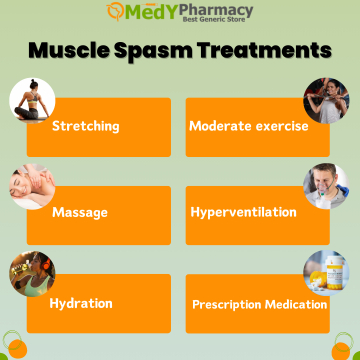
Stretching
Stretching the area with the muscle spasm can typically assist improve or prevent the spasm from happening. The stretches listed below are for the calves, thighs, back, and neck muscles.
Walking about is the first and easiest approach to stretching a back spasm since it relaxes your back muscles and relieves the spasm. To loosen your back muscles, walk at a slow and steady speed.
Massage
Massage can effectively reduce physical discomfort and muscular cramping.
Gently rub the spastic muscle. For a persistent back spasm, try squeezing the region around it hard and holding for a few minutes. If you are unable to reach the region, you may need to delegate the pinching.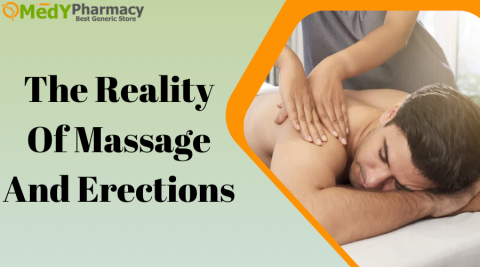
Hydration
When you have a spasm, attempt to drink some water. Stay hydrated to help prevent spasms, especially if you’re exercising or it’s hot outside.
While the amount of water you should drink varies depending on your specific needs, activity, lifestyle, and weather, here are some guidelines to follow.
Moderate exercise
Some people find that doing some modest exercise before going to bed helps prevent leg cramps.
- Jogging in place
- Walking up and down stairs
- Using a stationary bike for a few minutes
- Use a row machine for a few minutes
- Bouncing on trampolines
While gentle exercise can assist, moderate or vigorous exercise can disrupt your sleep, so avoid doing it just before bed.
Hyperventilation
Spasms were reported in an observational study with three volunteers who utilized hyperventilating at 20 to 30 breaths per minute to treat exercise-related cramps.
Hyperventilation occurs when you breathe more forcefully and rapidly than usual. If you suffer from anxiety, hyperventilation may not be the best option for you because it can cause panic.
Prescription Medication
If you experience a persistent muscle spasm, particularly if it is severe, your doctor may recommend a muscle relaxant or pain reliever.
Muscle relaxants used to treat muscle spasms are referred to as centrally-acting skeletal muscle relaxants (SMRs), and they are often administered for two to three weeks.
What exactly does a muscle spasm feel like?
It’s different for everyone. However, you will most likely identify it when it happens.
Some muscular spasms result in twitching but not discomfort. Other spasms are so terrible that you cannot move until they pass. You may notice that your muscle seems deformed or feels rigid to the touch. Spasms can range from seconds to 15 minutes or more and may reoccur multiple times before fading.
Muscle spasm risk factors
Most people are in danger of developing it at least once in their lives. The risk varies according to a person’s previous medical history, occupation, and level of physical activity.
- Patients with peripheral artery disease. They have leg cramps at night. Diabetes, smoking, high cholesterol, and high blood pressure are all risk factors for heart attacks and strokes.
- People with underlying neurologic problems are also at risk of developing the condition.
- Workers in factories and construction sites who work in hot conditions become dehydrated and have muscle cramps. A condition like this impacts both recreational and elite athletes.
- Muscle spasms occur in men with erectile dysfunction. Muscles work harder than ligaments to provide joint stability. Muscle spasms are painful. It makes it tough to move about and focus. It could cause headaches. Doctors recommend that such men take medications such as Filagra to treat their erectile dysfunction.
How Do I Stop Muscle Spasms?
- You must undertake flexibility exercises every day.
- Stretch your muscles regularly. You must do this if you have a history of hand cramps. You need to consume plenty of fluids. Have some water. Avoid caffeine and alcohol.
- Avoid exercising in hot temperatures. Wear shoes that are correctly fitted.
- You should maintain a healthy weight. Try some light exercise right before going to bed. It is an excellent treatment for leg cramps at night.
- Do not take medications that may have this as a negative effect. If you use Vidalista 40, an ED medication, to improve sexual function and get rid of ED, be cautious and consult your doctor.
- If you sleep on your back, use a pillow and keep your toes pointed upwards for relief from leg cramps at night. If you sleep on your chest, place your feet on the end of the bed.
Remember to stretch your muscles before sleeping. Sleep with blankets and sheets loosely wrapped over your legs. This will help with leg cramp treatment.
Last Words:
Muscle spasms are frequent. You should not worry about them. The duration could range from a few seconds to several minutes. Typically, they heal without the need for treatment. Relax, massage the affected area, and apply an ice pack or heat. If you have erectile dysfunction and use any medication, such as Vilitra 60, you should notify your doctor.
Medypharmacy thoroughly examines your problem and provides you with a comprehensive muscle spasm treatment plan, allowing you to be pain-free.
FAQs
1. What is the most common cause of muscle spasms?
Muscle spasms are most commonly caused by muscle fatigue, dehydration, imbalances in electrolytes such as (potassium, magnesium, or calcium) as well as overuse.
2. Can dehydration lead to muscle spasms?
Yes. Dehydration can cause an imbalance of electrolytes which can lead to improper functioning of the muscles which can cause cramps.
3. Do electrolyte imbalances have a relation to muscle spasms?
Hypomagnesemia (low levels of magnesium), hypokalemia (low levels of potassium), hyponatremia (low levels of sodium), and hypocalcemia (low levels of calcium) can disrupt nerve signaling and result in muscle spasms.
4. What are some muscle spasms preventative methods?
Preventative methods include ensuring proper hydration and nutrition, regular muscle stretching, proper warm-up and prevention of muscle over-exertion.
5. What are the options for muscle spasms treatment?
Muscle spasms treatment options include rest, muscle stretching, hydration, application of hot or cold, and the prescription of a medicine by a physician.